Tap-to-earn Telegram Mini App development: what to put in the brief
Published on:
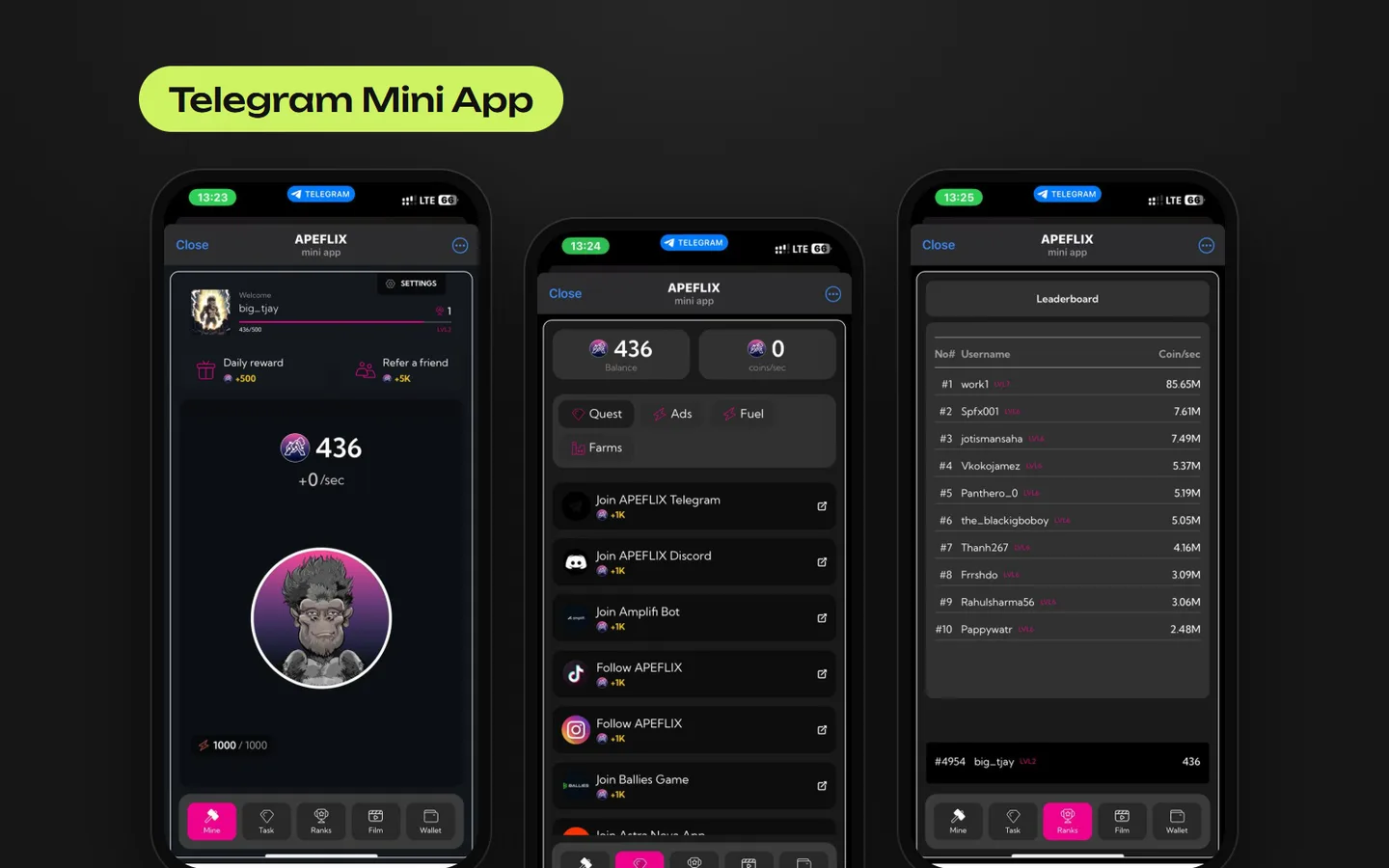
People often search for “tap-to-earn Telegram Mini App development” and expect a ready template. In practice the tap itself is the easiest part. What decides whether the game holds an audience is everything around it. Below is how I approach the brief, based on a real project: a tap-game Mini App for a crypto project.
What the project actually needed
The client did not need a simple Telegram bot. They needed an interactive mini app that raises engagement, improves retention and helps grow a crypto community through game mechanics. That framing matters: the goal is community growth, not a toy.
The solution I built had four parts:
- a tap game in the Telegram Mini App format;
- a system of quests and rewards;
- leaderboards and progress logic;
- integration with the Telegram API, plus activity checks through Telegram and X APIs.
Questions to answer before development
1. What is the player supposed to do after the first tap?
A tap mechanic gives a minute of attention. Quests give a reason to return. Decide early which actions you want from people: join a channel, follow an account, invite a friend. Each of those needs a way to be verified, otherwise rewards go to people who did nothing.
2. How will activity be checked?
In my case the checks go through the Telegram and X APIs. This is a separate piece of work, with its own limits and failure cases. Describe in the brief which actions must be confirmed automatically and which can be accepted on trust.
3. What does progress look like?
Leaderboards and levels are not decoration. They define how people compare themselves and whether they keep playing. Write down what is ranked, over what period, and what happens on a tie.
4. Who manages the game after launch?
Quests change, rewards change. If every change needs a developer, the game goes stale. Ask for a simple way to add or edit quests without touching code.
Common mistakes in tap-game briefs
- Describing only the tap screen and forgetting quests, rewards and ranking.
- Not defining how a quest is considered done.
- Ignoring abuse: people will try to farm rewards, so the logic must expect it.
- Planning the game as a one-off instead of a thing that evolves.
How I work on this
I start from the audience action you want, then design the mechanics around it, then build the Mini App and the backend logic. Everything is discussed in chat, which is faster than meetings. You can see what a Telegram Mini App development project looks like on my service page.
Next step
If you are planning a game or any other engagement tool inside Telegram, describe the idea in a couple of messages: who the audience is and what action you want from them. I will tell you what is realistic and how to split it into stages.
More Articles
Telegram CRM integration: stop losing leads and drop the manual contact copying
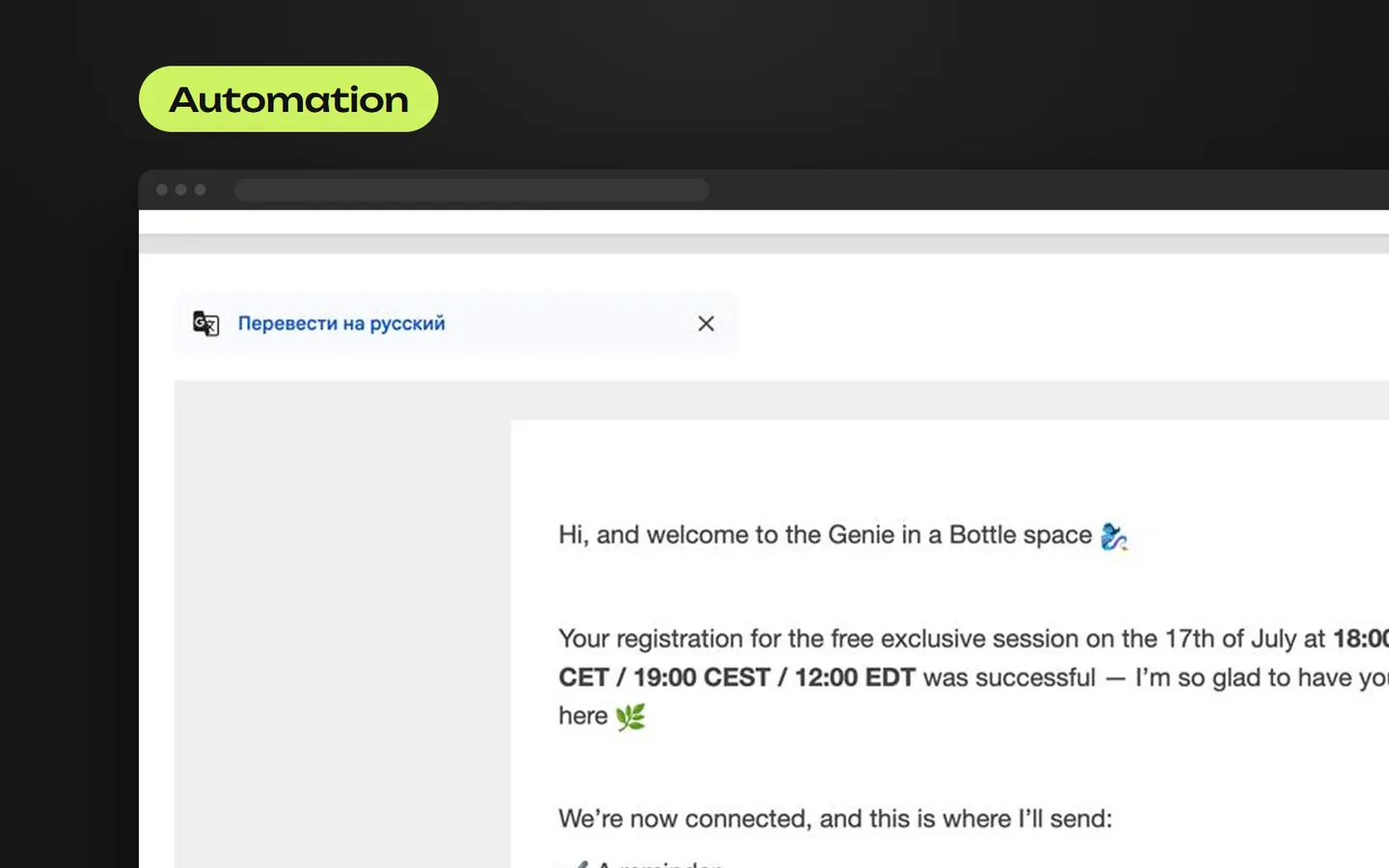
What to decide before connecting Telegram to a CRM or email tool: where contacts come from, where they go, and who watches for failures. Based on my SendPulse case.
Read more
Interactive Webflow Website: Custom Scroll and Animations That Stay Manageable
Non-standard scroll looks great but easily breaks a site on mobile. Here is what I plan before touching Webflow, based on my own case.
Read more
Large Webflow Website: How to Plan CMS Collections Before You Start Building
A breakdown of my case: how to structure a multi-collection Webflow CMS so the site keeps up with product growth and a steady flow of content.
Read more