
Telegram token tracker bot with TP/SL: following a signal after the buy
Published on:
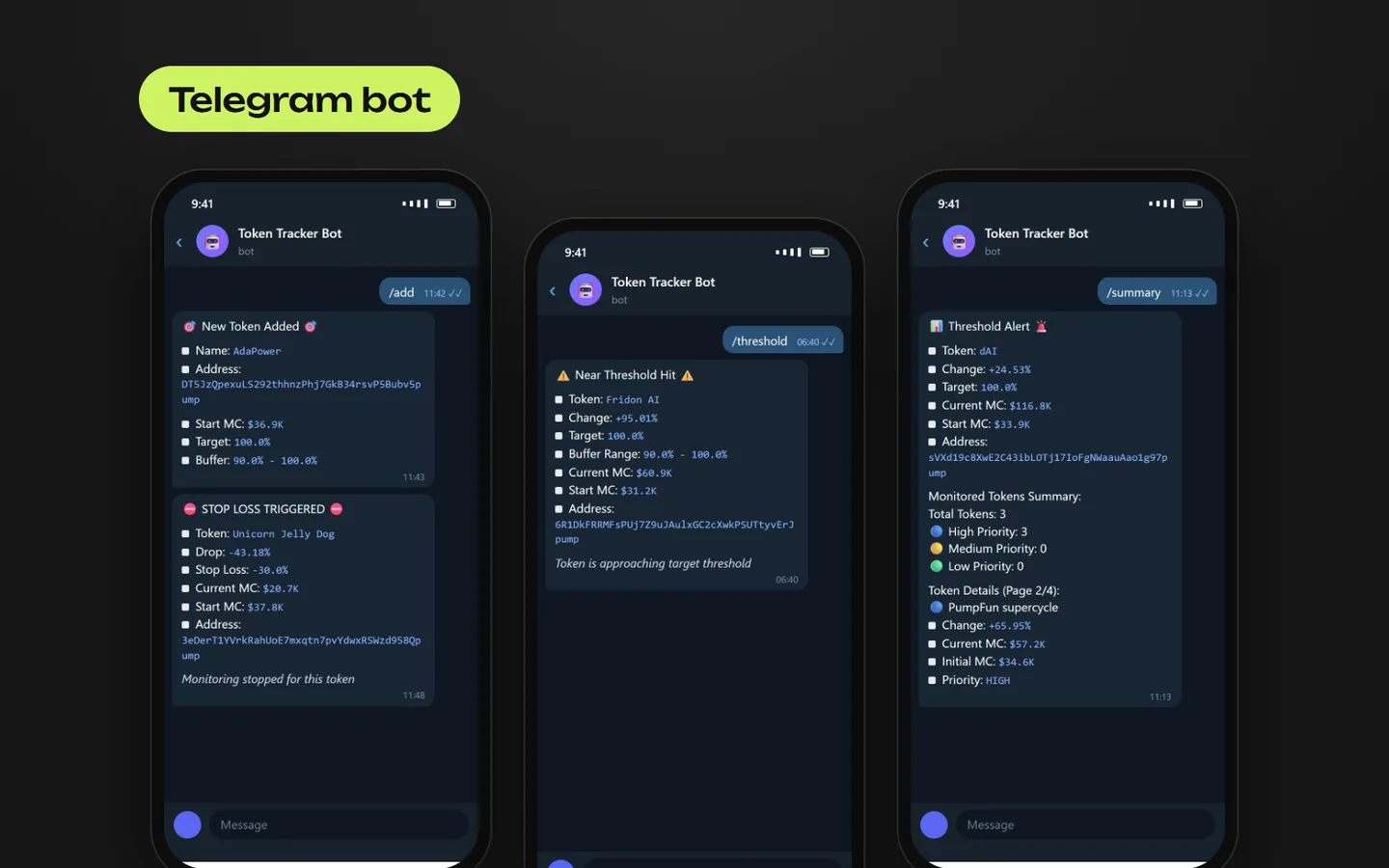
Many people build a tracker bot like this: take the token price, send a notification when it changes, and stop there. For simply watching a rate, that is enough. But if you have a buy signal and want to understand what happens to the asset afterwards, plain notifications are not enough. Below is a breakdown of my case: how a bot that follows a signal to TP or SL is built, and what to decide before development starts.
What the task was
In the case the goal was not phrased as “show prices”. The need was a system that shows how a token behaves after a buy signal and how effectively it moves toward profit or risk thresholds. The tokens are launched inside Telegram, so the tool lives there too: open the chat and see the picture.
This is an important difference. A regular tracker answers “what is the price now”. A tracker with signal follow-up answers “how is the trade going relative to my plan”.
What such a bot consists of
My solution has four parts:
- Telegram-based token monitoring;
- real-time price tracking;
- buy signal follow-up logic;
- TP/SL progress tracking.
Each part is simple on its own. The value appears when they are connected: the signal fixes the entry point, the price updates constantly, and the bot compares the current position with the target levels.
What TP and SL mean here
TP (take profit) is the level where you want to lock in profit. SL (stop loss) is the level where you admit the trade failed and exit. The bot does not make the decision for you. It shows how far the price has traveled toward each level and tells you when it gets close.
Why look at behavior after the signal
If you collect this picture for every signal, you get a structured view of entries, holding phases, and exits. That is the result of my case: an analytical Telegram tool that helps you understand how tokens behave after a buy signal. It is not a guarantee of income, but a way to stop judging signals by eye.
Common mistakes when ordering such a bot
- No clear definition of a signal. If it is unclear what counts as a buy signal and where it comes from, the bot does not know where to start measuring the path to TP/SL.
- Levels set by hand with no rules. Agree in advance how TP and SL are calculated: from the entry price, in fixed steps, or by another rule.
- Mixing alerts and analytics. A message “the price changed” and a review “how the signal played out” are different functions. Separate them, or the chat turns into noise.
- No decision on what counts as finished. Was the trade closed at TP, at SL, or manually? The bot’s history depends on it.
Questions I ask before starting
- Where does the buy signal come from and in what form?
- How are TP and SL set: one rule or per signal?
- Who uses the bot: only you or a team, and are different permissions needed?
- What do you want to see: a stream of alerts, a summary by signal, or both?
- Which price sources do you trust?
The answers to these five questions usually already define the architecture, and so the scope of work.
When such a bot fits you
It makes sense if you run signals, trade on them, or sell access to analytics and want real statistics instead of an impression. If you only need a price alert, ready-made services are enough and custom development would be excessive.
How I build bots in general is described on the service page: Telegram bot development.
What next
If you have your own signal scheme and want to track it in Telegram, message me in the bot: https://t.me/chornuy7_tech_bot?start=src_blog. Tell me where the signals come from and how you set levels. We will settle everything in chat, it is faster, and I will tell you how it can be built and how long it would take.
The project behind this article
More Articles
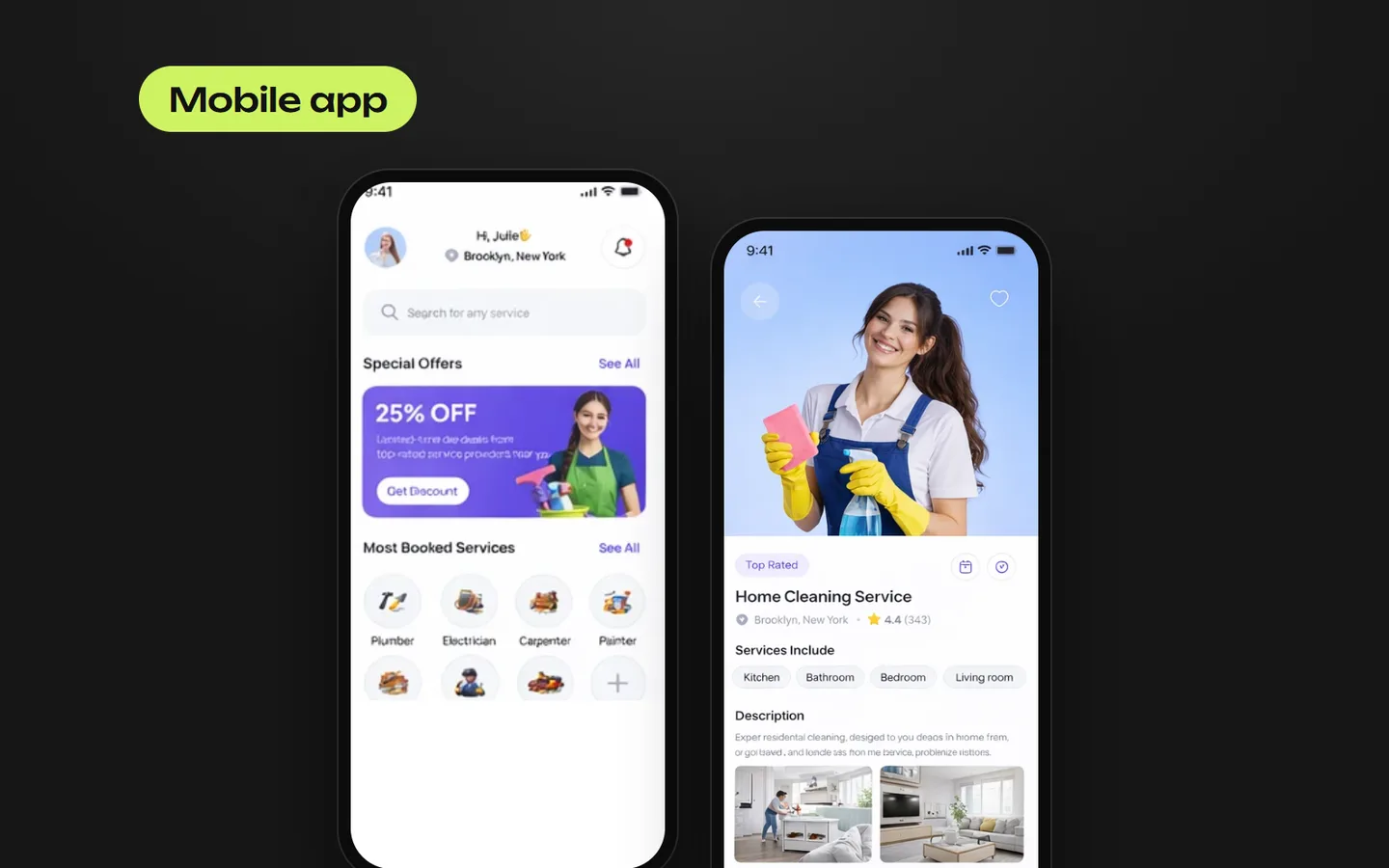
Building a service marketplace app: what it consists of and where to start
A service marketplace is not a catalog with a request form. I break down what it consists of, based on my case, and what to decide first.
Read more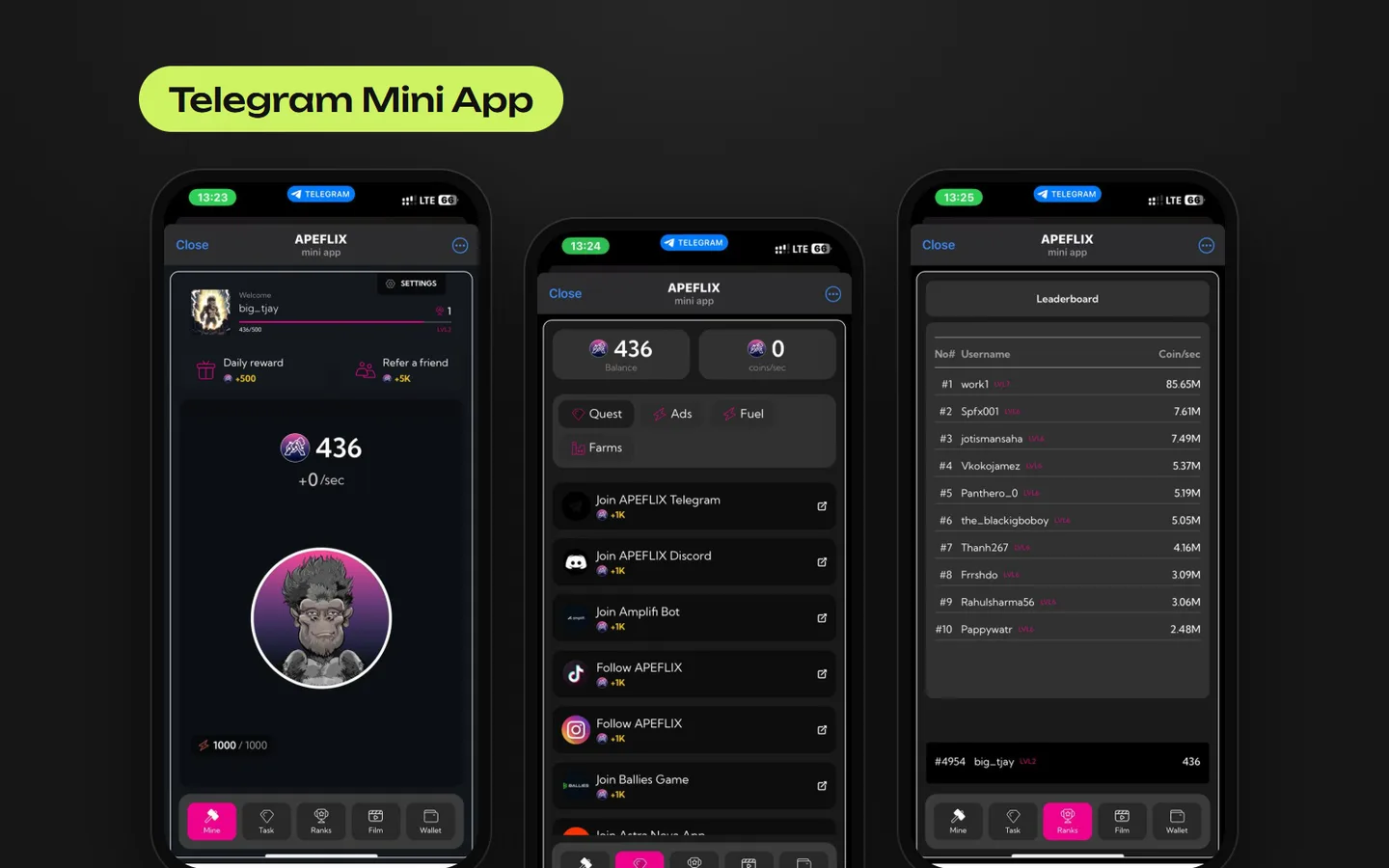
Telegram Mini App Game for User Engagement: How a Tap Game with Quests Works
A breakdown of my case: a tap game built as a Telegram Mini App for a crypto project. What it consists of and what to decide before starting.
Read more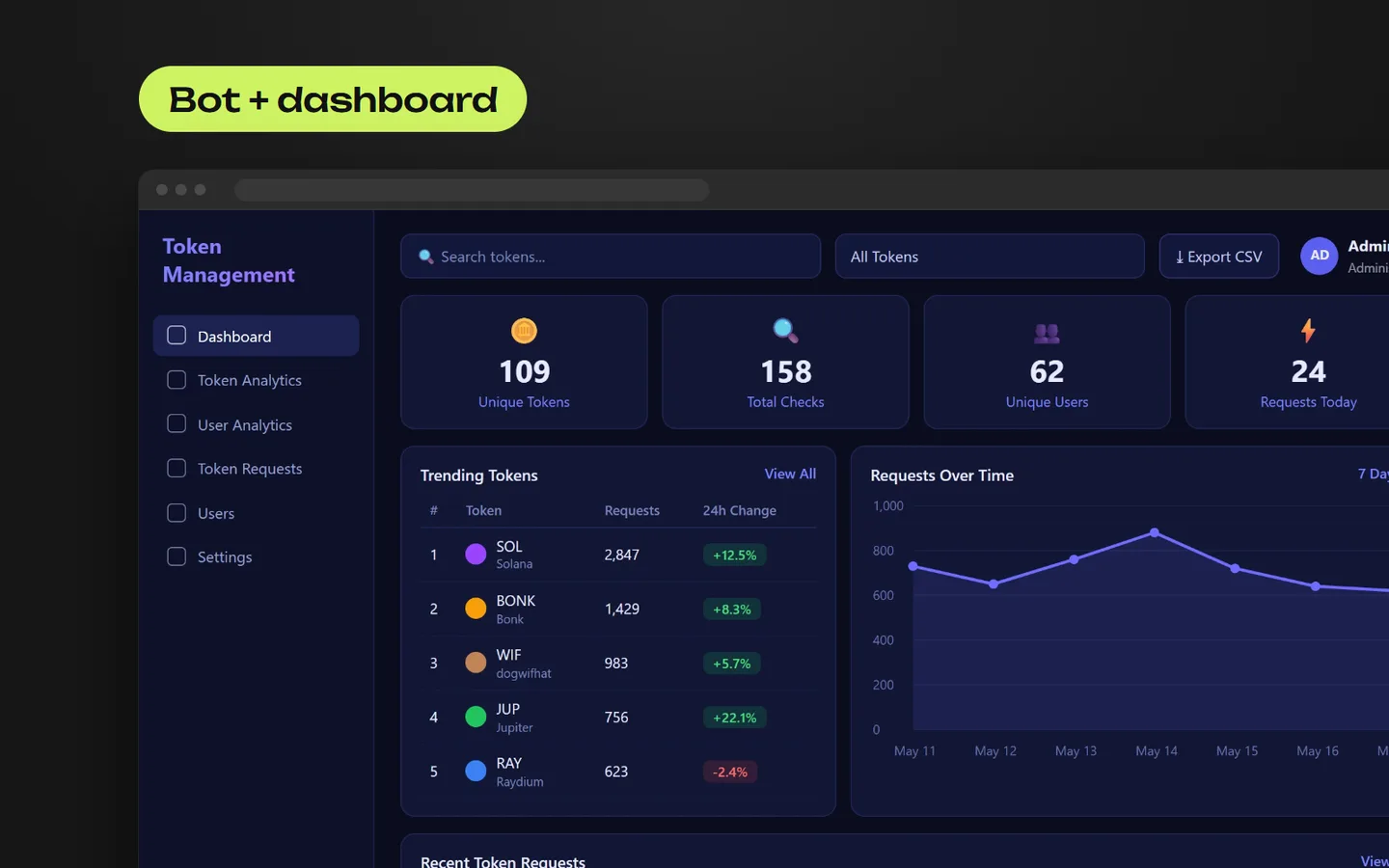
Telegram Bot for Crypto Token Analytics: Which Metrics to Show
A breakdown of my case: a Telegram bot and web admin dashboard that rank tokens in real time and catch emerging trends. Which metrics matter and where people go wrong.
Read more