
Building a service marketplace app: what it consists of and where to start
Published on:
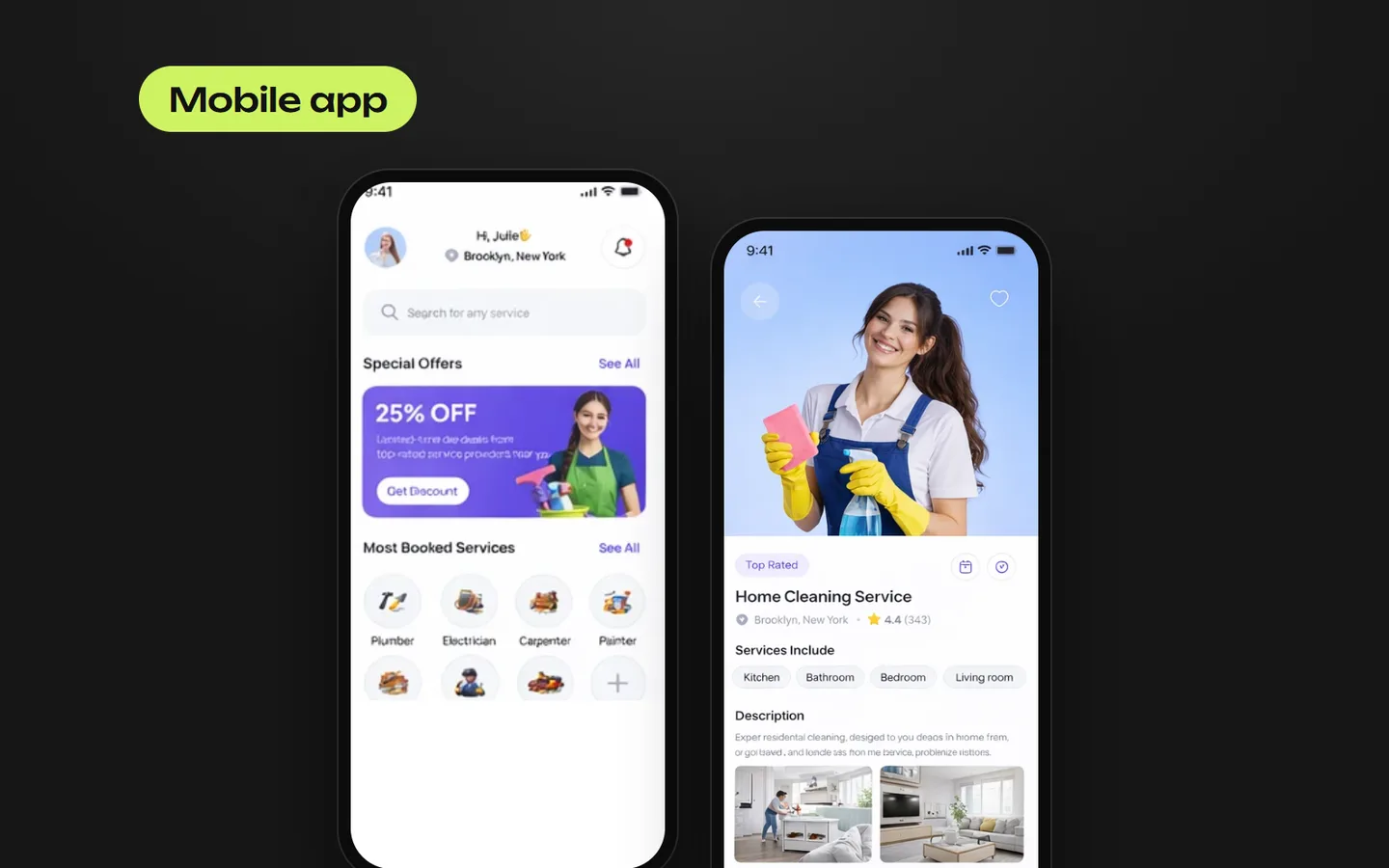
When a client says “I want a service marketplace”, they usually picture a directory of providers with a “contact” button. A real marketplace is more complex: it has to keep all provider-client interaction inside one system. Below I break down what it consists of, using my case: a service marketplace app.
How a marketplace differs from a catalog
A catalog shows a list. A marketplace guides the client through the whole path: from finding a service to payment and ongoing communication. If even one step moves to a messenger or a spreadsheet, you get a leak: some deals bypass the system and you can’t see what is going on.
In this case the task was exactly that: not a simple service listing, but a product where provider and client work in one place.
What a two-sided marketplace consists of
A marketplace has two types of users, each with their own tasks. That is why the logic is two-sided. In my case the blocks were:
- service search and booking for the client;
- profile, schedule and orders for the provider;
- built-in chat between the two sides;
- notifications, so nobody misses a message or a booking;
- payments inside the system;
- CRM and order management.
Search and booking
The client should find the right service quickly and book at once. The fewer steps between “found it” and “booked”, the fewer people drop off on the way.
Chat and notifications
If communication moves to external messengers, you lose the order history and control. A built-in chat solves this: the conversation is tied to the order, and notifications bring people back into the system.
Payments, CRM and orders
Payment inside the system gives a clear picture of deals. CRM and order management let you see what happens with each order instead of piecing it together.
Cross-platform: why it matters
In this case I did cross-platform full stack development: the client and server parts are built together. For a marketplace this matters because users come from different devices, while booking, payment and notification rules must behave the same everywhere.
Questions to settle before starting
Before writing code, I discuss a few things with the client:
- Who are your two sides, and how do their tasks differ?
- What counts as a successful deal: a booking, a payment, a completed service?
- What must stay inside the system: chat, payment, order history?
- What data do you need as the owner: orders, statuses, contacts, payments?
- What is the minimum set you can start with to test demand?
Common mistakes
- Starting with every feature at once. Better to build the “search, booking, payment” cycle and test it on real people.
- Not thinking through the provider’s role. If providers find it inconvenient, there will be no services on the platform.
- Leaving communication outside the system. Later it is impossible to untangle disputed orders.
- Postponing the CRM. Without it the owner has no overview.
When you need a marketplace and when something simpler is enough
If you have one provider or a small team, a website with booking or a Telegram bot may be enough. A marketplace makes sense when there are many providers and many clients, and you want them to find each other and work inside your system.
What next
If you are thinking about a marketplace or another web product, see how I approach website and web app development. Describe your task in the bot: message me, I will reply in chat and tell you where it is best to start in your case.
More Articles
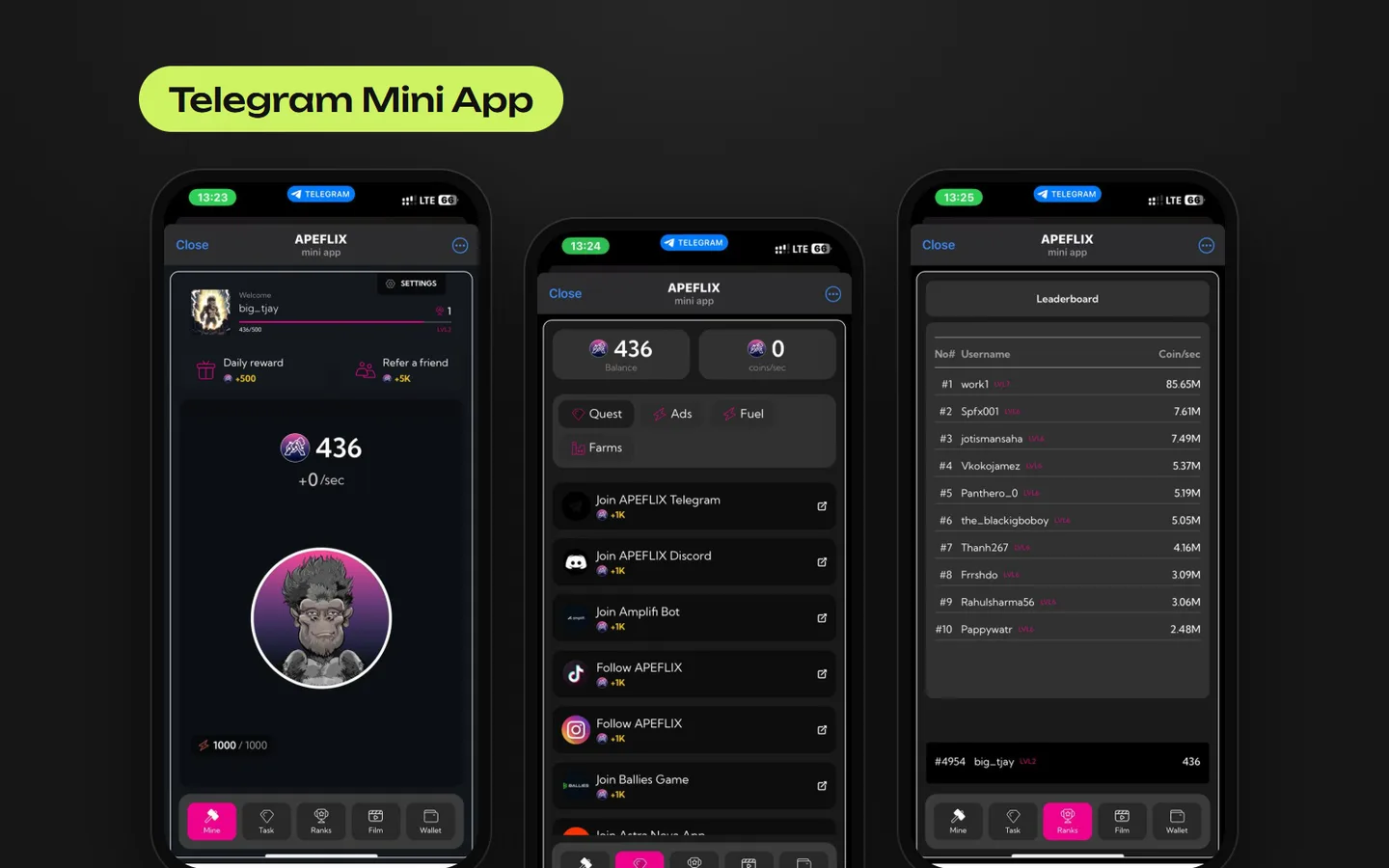
Telegram Mini App Game for User Engagement: How a Tap Game with Quests Works
A breakdown of my case: a tap game built as a Telegram Mini App for a crypto project. What it consists of and what to decide before starting.
Read more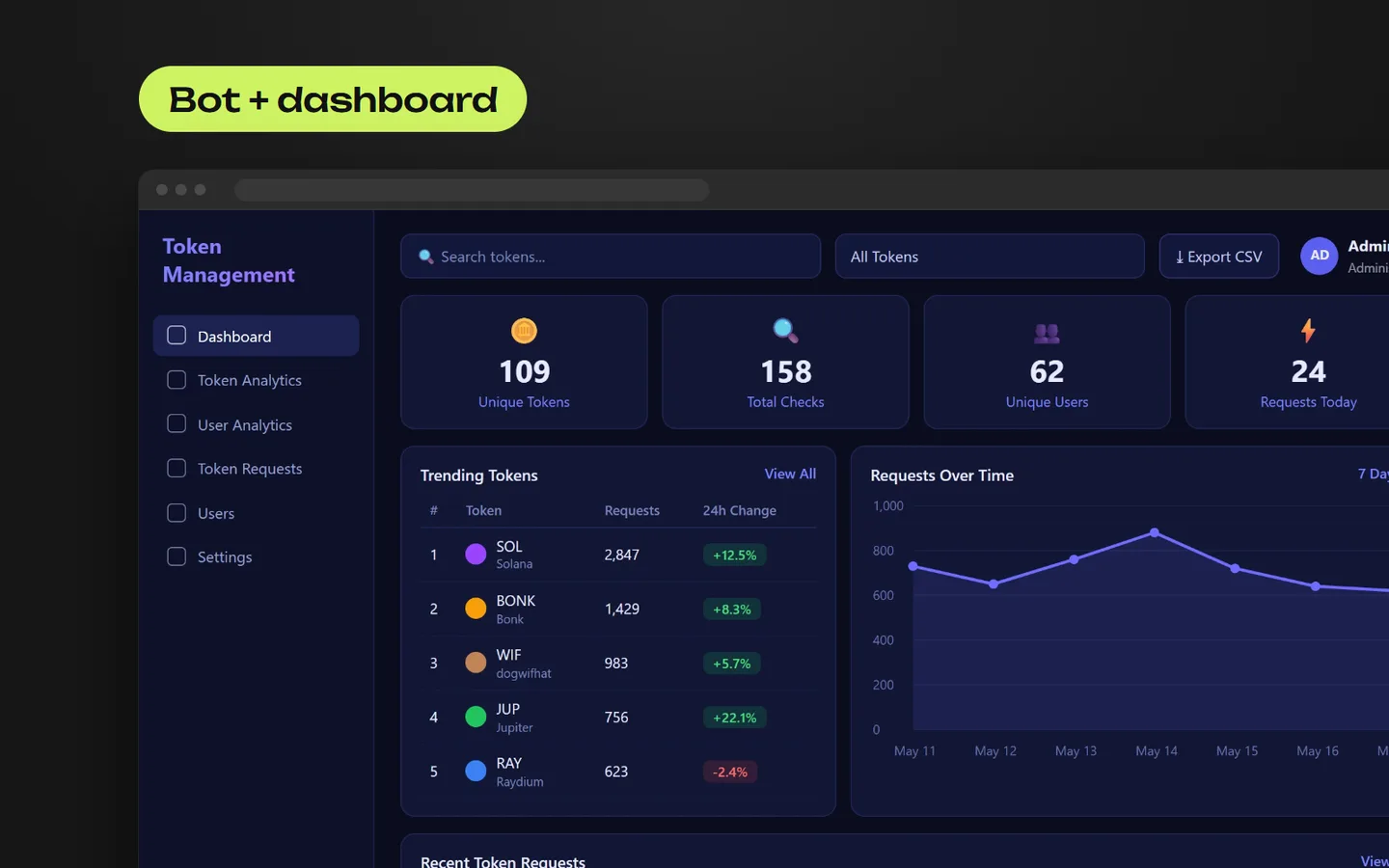
Telegram Bot for Crypto Token Analytics: Which Metrics to Show
A breakdown of my case: a Telegram bot and web admin dashboard that rank tokens in real time and catch emerging trends. Which metrics matter and where people go wrong.
Read more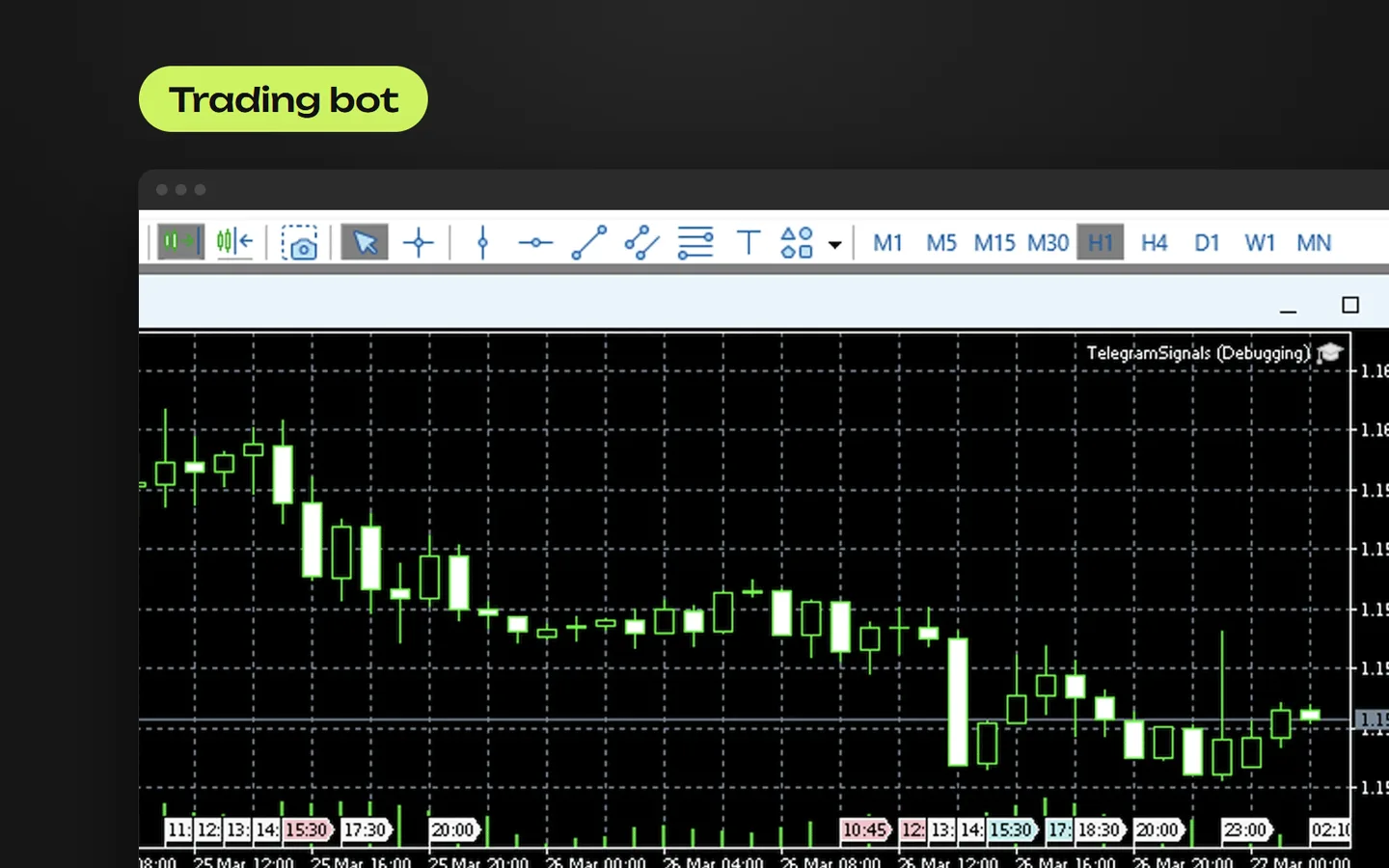
MT5 to Telegram signals: why simple forwarding is not enough
Forwarding messages from MT5 to Telegram is easy. Keeping the signal intact across several entries, Stop Loss and multiple TP levels is the hard part. Here is my case.
Read more