
Forex Signal Bot for Telegram: Parse, Clean and Republish Without Manual Work
Published on:
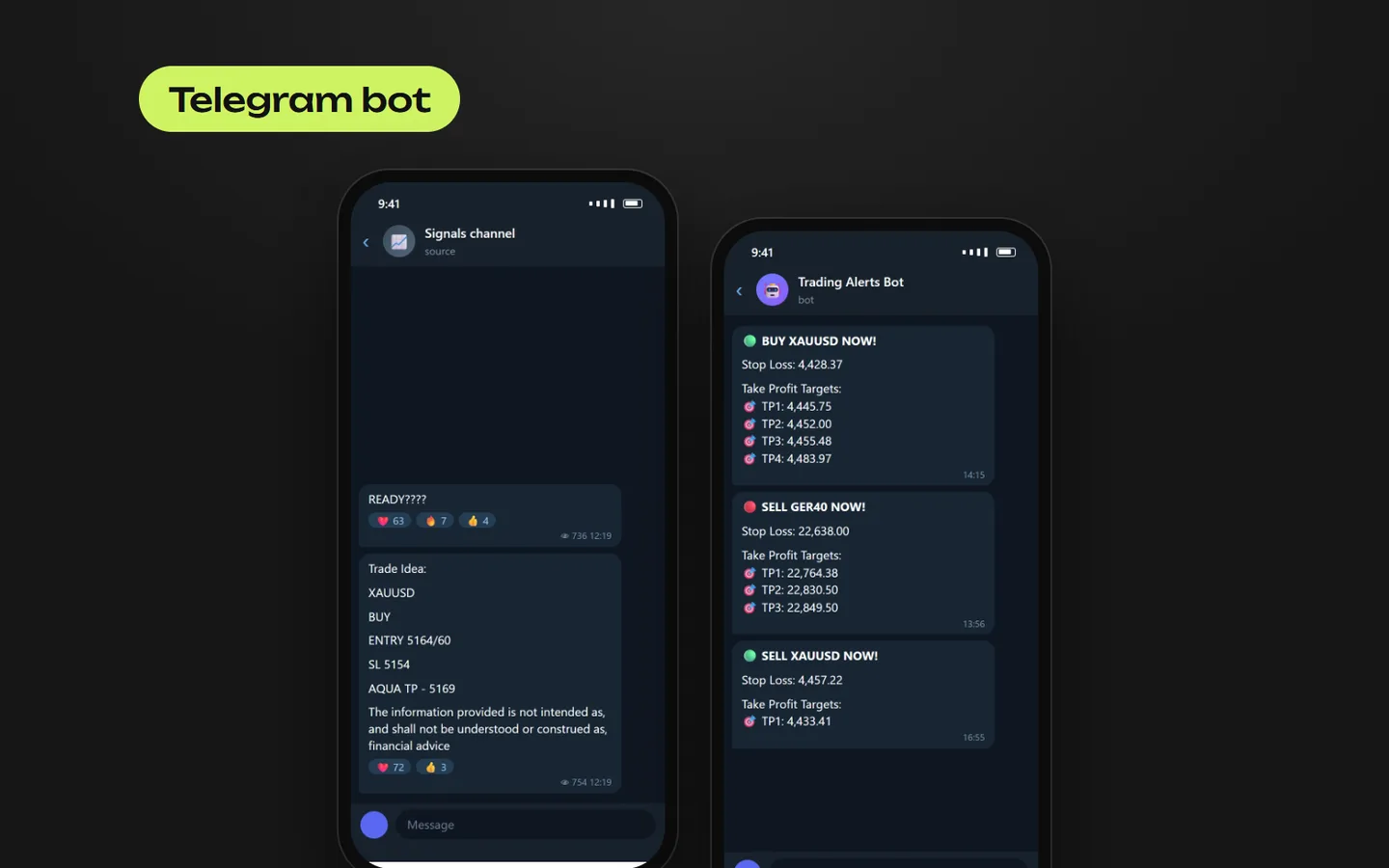
If you run a channel with trading signals, you know the routine: a message arrives, you read it, pull out entry, stop and targets, rewrite it into a clear format and post it. Every day, by hand, with a risk of a typo in a number. Below I break down how I solved this in one of my projects and what to think through if you want the same.
What the bot does
In my case, the forex signal processing bot does four things:
- monitors the Telegram channel where the source signals arrive;
- parses each message and extracts the trading data;
- cleans the text and normalizes it into one format;
- calculates take-profit levels and publishes the finished version to another channel.
The result: less manual work, simpler publishing, and messages that are clearer for the audience.
Why manual processing breaks down
While signals are few, an editor copes. Then the problems start:
- the same kind of signal is formatted differently on different days;
- extra lines, promo tails and service notes stay in the text;
- a number is retyped with a mistake, and in signals that is expensive;
- publishing is late because the person is busy.
A bot does not get tired or mix up the order of fields. But only if you agree in advance on what counts as a signal.
What such a bot consists of
1. Reading the source
The bot connects to the channel and reacts to new messages. Decide what to do with edits: if the author of the source channel edits a message, should the already published post be updated?
2. Parsing the signal
This is the most fragile part. Source messages are written by people, and the format drifts. I extract the trading data and check that the required fields are present. If parsing is not confident, it is better not to publish but to hold the post for review.
3. Cleanup and normalization
Extra phrases and noise are removed, leaving the structure: instrument, direction, entry, stop, targets. One template makes the channel recognizable.
4. Take-profit calculation
Levels are calculated by rules you set in advance. Then the logic is the same in every post, and you do not recalculate by hand.
5. Publishing
The finished version goes to the target channel. A template configured once works for all messages.
Questions to settle before starting
- What does a typical source signal look like? Send 10-20 real examples, including the awkward ones.
- Which fields are required, and which can be skipped?
- By what rule are take-profit levels calculated?
- What should happen to a message the bot cannot parse?
- Do you need a manual edit step before publishing?
- Do you have permission to use the source channel? That is your responsibility, and I always ask about it.
Common mistakes
- Writing the parser for one perfect example. Real messages always differ.
- Publishing everything without checking fields.
- Not storing the source message next to the result, which makes errors hard to trace.
- Mixing parsing and formatting in one piece of code: any template change then breaks reading.
Who this is for
Owners of signal channels, analytics feeds and newsletters where repetitive text needs one consistent look. Similar logic works outside trading too: any stream of same-type messages can be parsed and repackaged.
More on how I build such systems is on the Telegram bot development service page.
What next
Message me in the bot and send a few examples of your messages: they show right away how cleanly they parse and how to build the template. We settle everything in chat, it is faster: message Ilya in the bot.
The project behind this article
More Articles
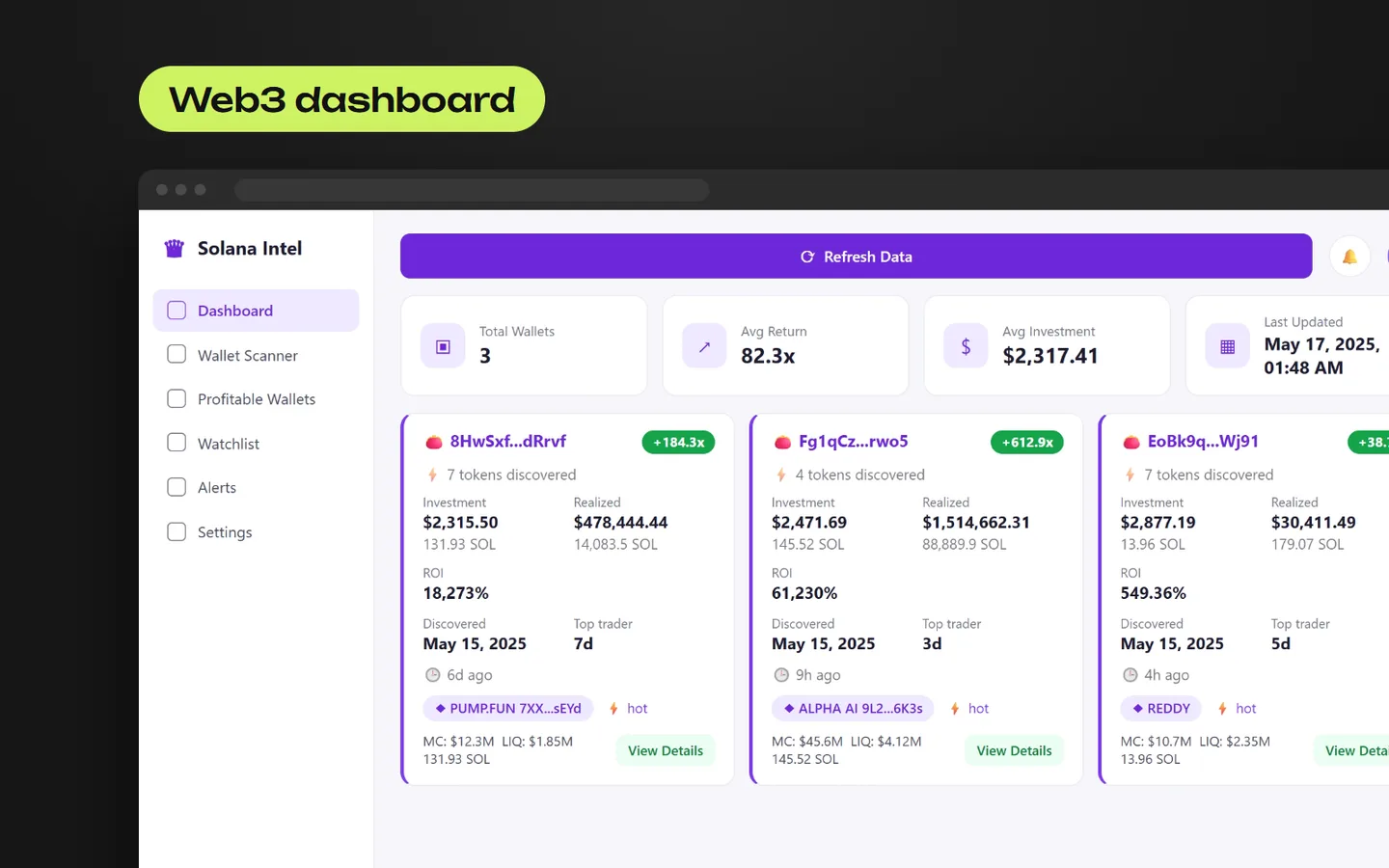
Solana wallet analytics dashboard: what to show so it gives insight, not just numbers
A breakdown of my Solana on-chain dashboard case: which blocks help you find strong wallets and understand their behavior, and what to settle before starting.
Read more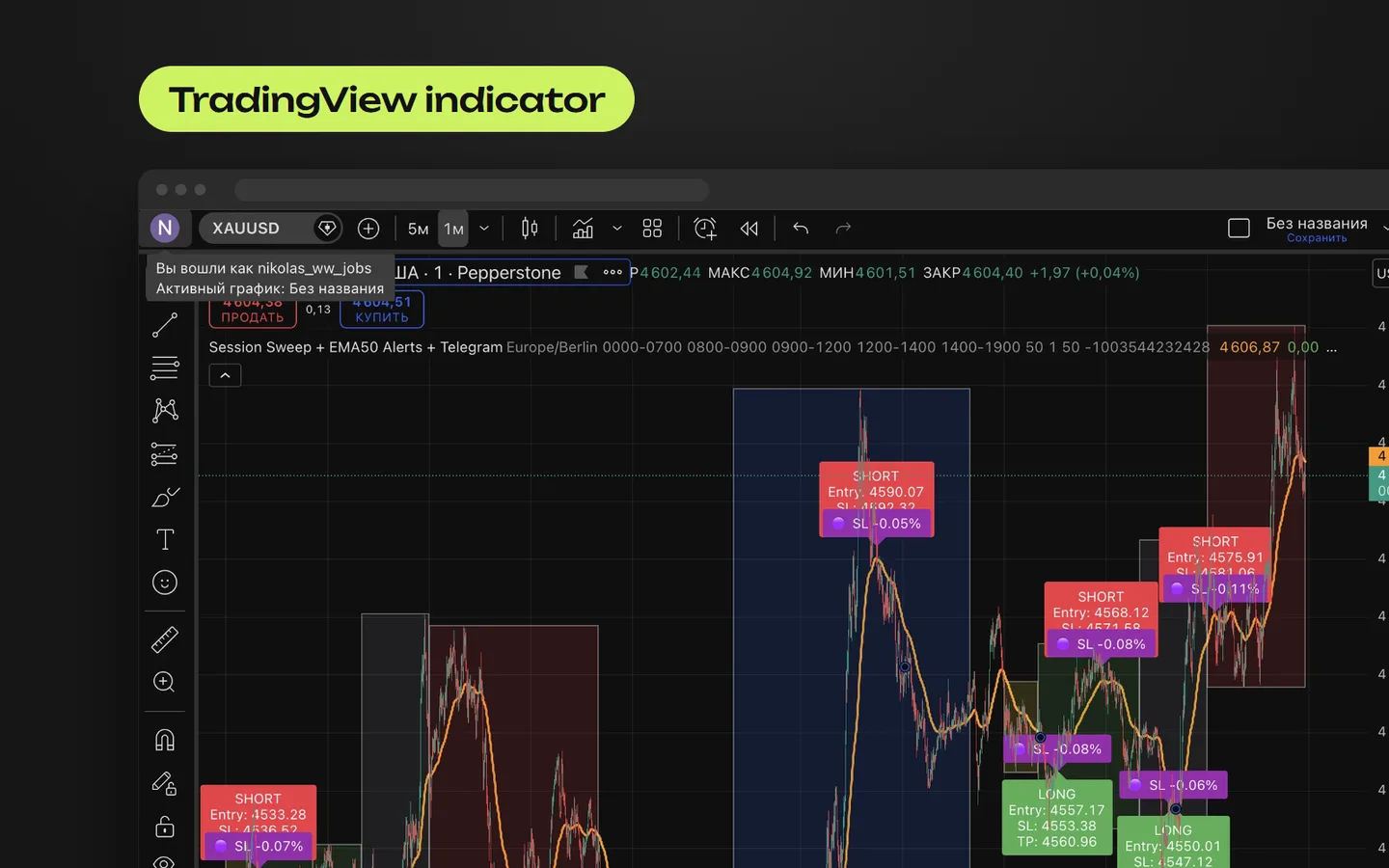
Custom TradingView Indicator in Pine Script: What to Define Before Development
A breakdown of my case: a TradingView gold indicator in Pine Script v6 with entry filters, dynamic SL/TP and alerts, plus what to define before development.
Read more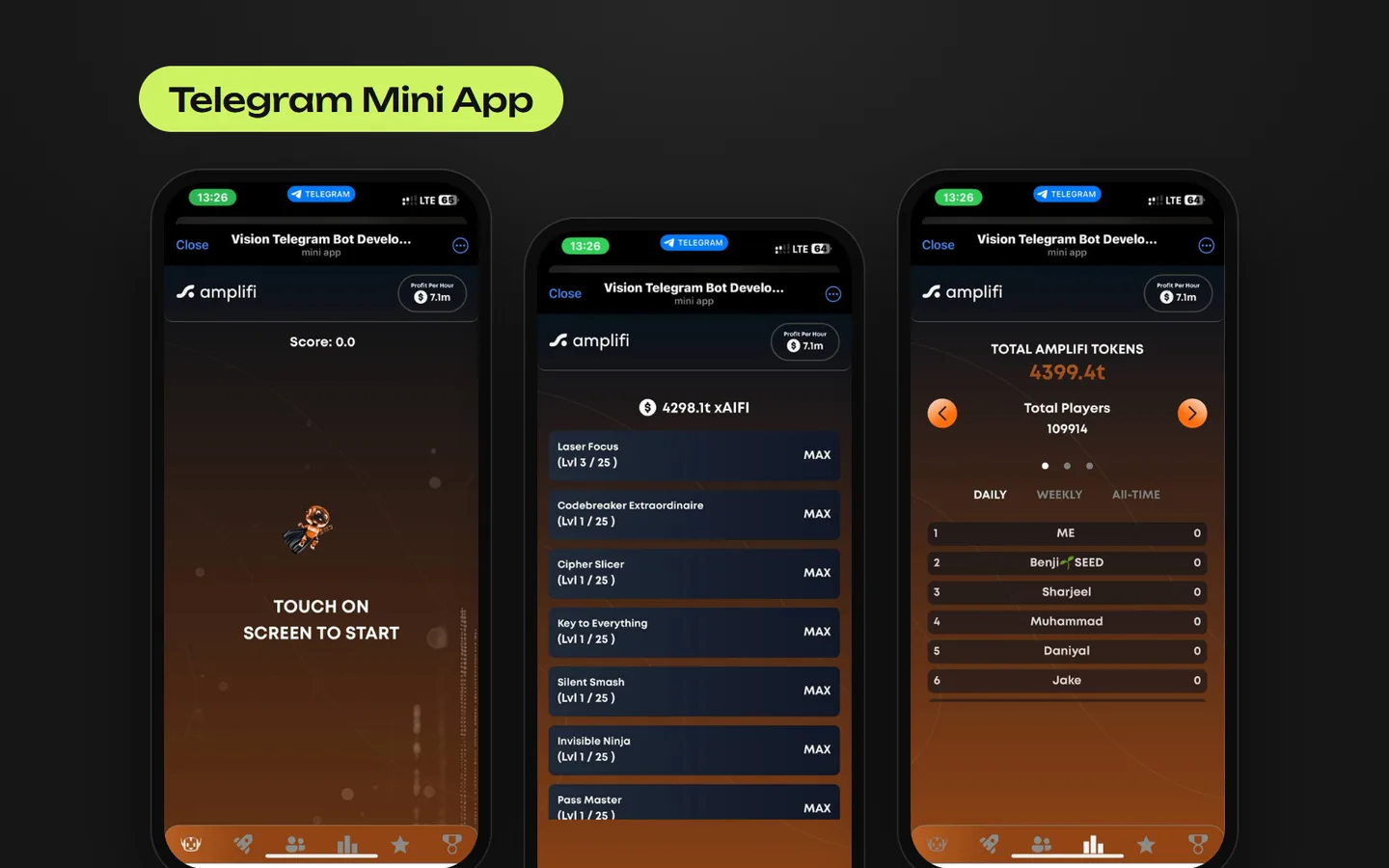
Telegram Mini App Backend: What to Plan Before Launch So It Doesn't Fall Apart
A nice Telegram interface sits on a bot, a server and a database. Using my own case, I break down what to plan early so a Mini App does not crack under growth.
Read more